ARTICLE INTRODUCTION
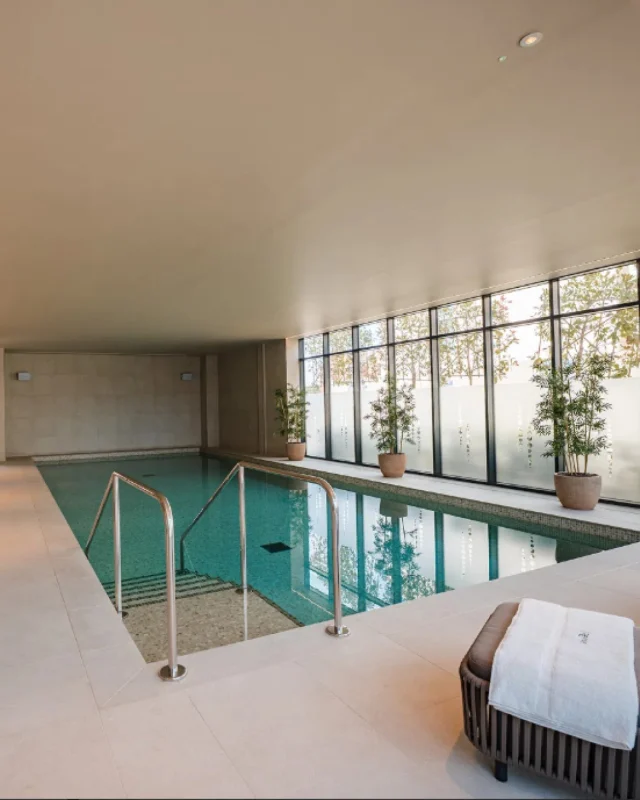
Indoor pools are a hallmark of luxury and wellness-focused architecture. For architects, knowing the available construction methods is important. This helps them meet design and function goals. It also ensures long-term performance, energy efficiency, and compliance with regulations.
This guide explains the three main ways to build indoor pools: stainless steel, concrete, and hybrid. It also includes information on systems and design.
Key considerations before indoor pool construction
Before choosing a construction method for an indoor pool, architects and planners must consider several key factors, including:
Site assessment
- Space Availability: Ensure there’s adequate room for the pool, deck, plant rooms, and circulation. Consider ceiling height, access, and any constraints affecting installation.
- Access for Materials: Evaluate how materials and equipment will reach the site. Limited access, such as in basements or tight urban plots, may restrict certain construction methods.
- Structural Support: Confirm the structure can support the pool’s full load, including water, finishes, and users. Lightweight systems like stainless steel are ideal for rooftops or upper floors.
Environmental control
- Humidity Management: Indoor pools produce high moisture levels, requiring dedicated dehumidification (often via integrated HVAC) to prevent condensation, mould, and structural damage.
- Ventilation: Mechanical systems must ensure consistent airflow to support dehumidification, control temperature, and maintain air quality, especially in enclosed or below-ground spaces.
Structural integration
- Load-Bearing Requirements: The construction method must suit the building’s structural capacity. Concrete pools need substantial support, making lightweight options like stainless steel better for rooftops or lighter frames. Involve structural engineers early.
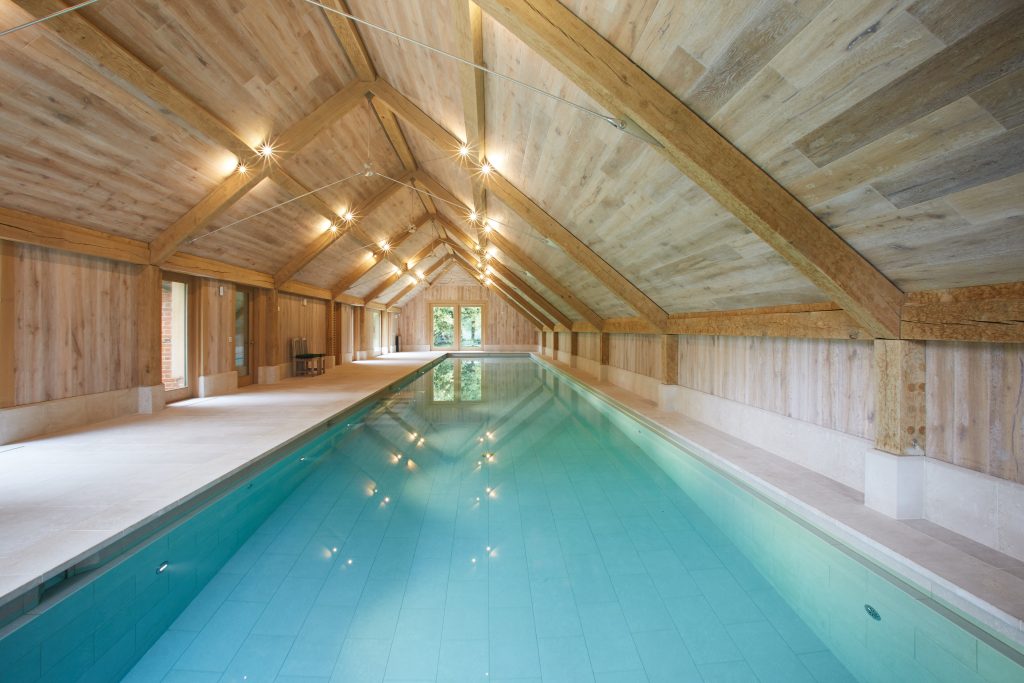
- Architectural Harmony: The pool should match the building’s design. This includes finishes, lighting, and acoustics. It should also connect well between wet and dry areas for a smooth experience.
Budget and timeline
- Cost Implications: Each method has a different cost profile. Stainless steel has higher upfront costs but lower maintenance. Concrete offers flexibility but may increase labour and waterproofing expenses. Hybrid systems balance both but need careful coordination.
- Project Scheduling: Prefabricated options like stainless steel speed up installation; these are ideal for time-sensitive projects. Concrete takes longer because of curing and finishing, but allows for greater customisation.
Overview of indoor pool construction methods
| Method | Pros | Cons |
| Stainless Steel | Fast install, hygienic, lightweight | Higher upfront cost |
| Concrete | Fully customisable, durable | Longer build time, complex waterproofing |
| Hybrid | Combining the benefits of both | Require careful planning and coordination |
Stainless steel pool construction
Stainless steel is now a top choice for building indoor pools. It is modern, efficient, and very durable compared to traditional methods.
How builders construct stainless steel pools
Stainless steel pools are made in sections at a factory. They are then put together and welded on-site to create a watertight shell. This reduces on-site time and disruption, ideal for indoor settings.
The shell is anchored to a concrete base, with optional finishes like tiles or cladding applied to match the design vision.
Key benefits for indoor applications
- Speed of Installation: Prefabrication allows for faster project timelines
- Hygiene and Maintenance: Non-porous and resistant to algae and bacteria
- Structural Integrity: Corrosion-resistant and long-lasting
- Design Flexibility: Supports a wide range of shapes and features
- Lightweight Construction: Ideal for rooftops or upper-level installations
Ideal use cases
- Luxury residential indoor pools
- Wellness centres and spas
- Boutique hotels and rooftop pools
- Refurbishment projects with limited access
Technical considerations
- Waterproofing: Focus on joint integrity
- Thermal Insulation: May require additional insulation
- Acoustic Treatment: May need sound-absorbing finishes
Concrete pool construction
Concrete remains one of the most traditional and versatile materials for indoor pool construction. It provides great flexibility in shape, size, and finish. This makes it the top choice for custom pool designs.
How builders construct concrete pools
Concrete pools are typically constructed using:
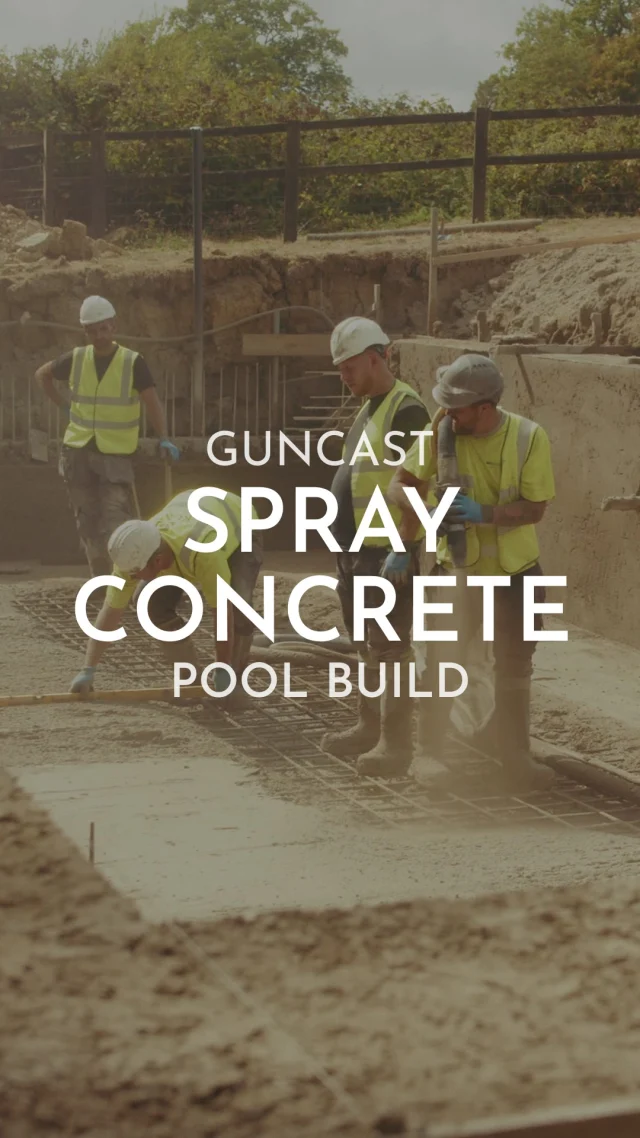
- Shotcrete: Wet-mix sprayed concrete for complex shapes
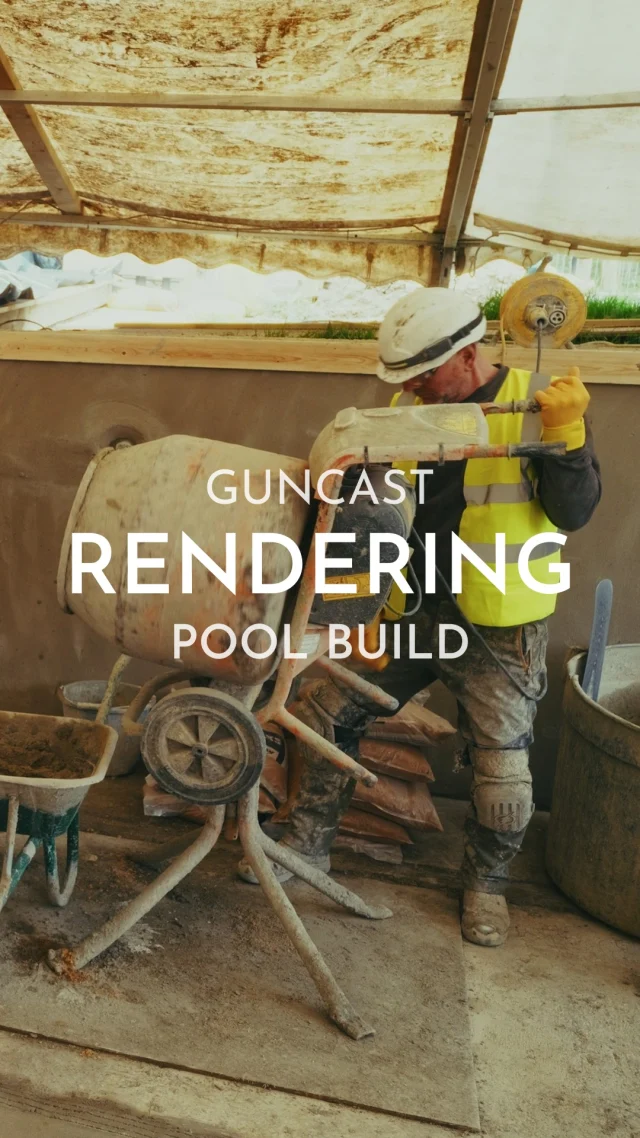
- Gunite: Dry-mix sprayed concrete with high strength
- Cast-in-place: Poured concrete using formwork for precision
After forming and curing, the shell is waterproofed and finished with tiles, plaster, or other materials.
Key benefits for indoor applications
- Design Freedom: Unlimited customisation
- Durability: Long-lasting with proper maintenance
- Structural Strength: Ideal for large or deep pools
- Finish Variety: Supports a wide range of surface treatments
Ideal use cases
- Bespoke luxury residential pools
- Large commercial or public pools
- Pools with complex geometry
- Projects requiring full design control
Technical considerations
- Waterproofing: Requires membranes or admixtures
- Curing Time: Extends the construction timeline
- Structural Load: Heavy material needs strong support
- Maintenance: May require resurfacing over time
Hybrid pool construction
Hybrid pool construction uses the best features of stainless steel and concrete. This approach provides a good solution for projects that need both speed and flexibility.
How builders construct hybrid pools
A stainless steel shell is used for the walls and upper structure, while a concrete base provides foundational support. The two materials are bonded to ensure a watertight and structurally sound pool.
Key benefits for indoor applications
- Speed and Efficiency: Faster installation with prefabricated components
- Structural Versatility: Concrete base supports uneven or sloped sites
- Design Flexibility: Creative shapes and finishes
- Reduced Load: Lighter than full concrete
- Improved Hygiene: Easy-to-clean stainless steel surfaces
Ideal use cases
- Rooftop or upper-level pools
- Renovations or retrofits
- Projects with limited access
- Pools requiring both speed and customisation
Technical considerations
- Material Interface: Proper bonding and sealing are critical
- Thermal Bridging: Prevent heat loss at material junctions
- Installation Coordination: Requires close collaboration
- Cost Management: Skilled installation needed
Environmental and mechanical systems
Dehumidification and HVAC
- Prevents condensation and mould
- Integrated systems manage temperature and humidity
Energy efficiency
- Pool covers reduce evaporation
- Heat recovery systems reuse energy
- Insulated walls and floors improve performance
Water treatment
- UV and ozone systems minimise chemical use
- Saltwater chlorination is gentler on users
- Automated dosing systems improve consistency
Design integration and aesthetics
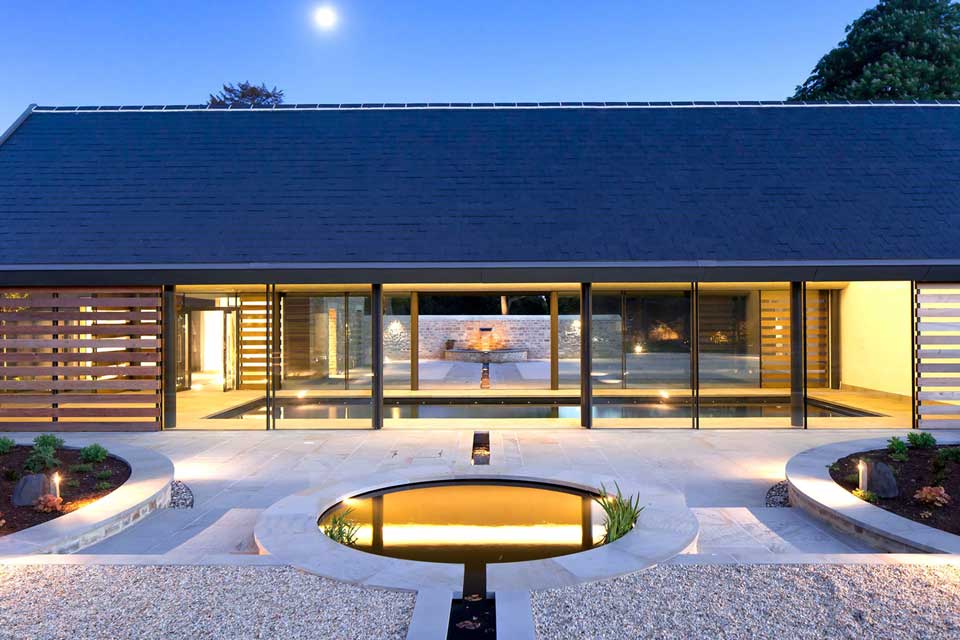
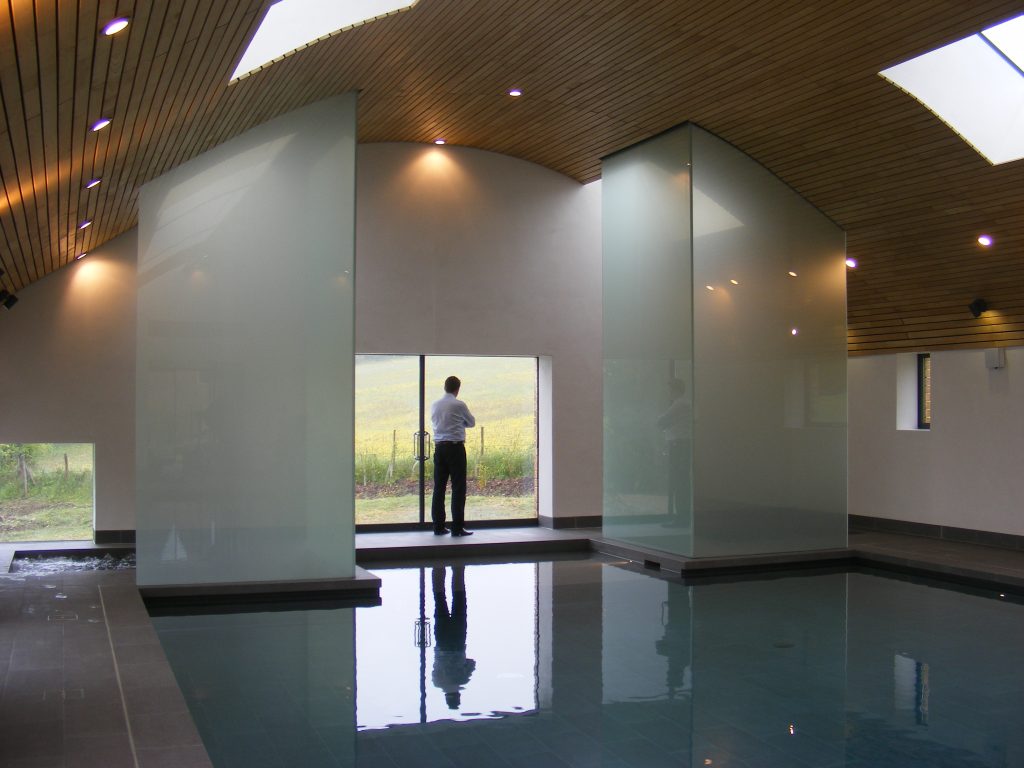
Designing indoor swimming pools is not just about functionality, it’s about creating a cohesive, immersive environment that complements the surrounding architecture. Every detail matters in creating a good user experience. This includes material choice, lighting, and acoustics. All these factors help make the space successful.
Architectural collaboration
Effective indoor pool design relies on early collaboration between architects, designers, engineers, and pool specialists like Guncast, to ensure seamless integration with the overall vision.
- Materials and Finishes: Choose finishes such as tiles, stone, or timber that align with the interior design. Consider both aesthetic harmony and durability in humid environments.
- Lighting: Use layered lighting (ambient, task, accent) to enhance mood, highlight features, and improve safety. Popular options include underwater LEDs, uplighting, and skylights.
- Acoustics: Reduce echo with sound-absorbing materials such as acoustic panels or timber slats. Integrate these early to maintain design consistency.
Architect Resources and Project Planning
Choosing the right construction method is key to a successful indoor pool. Stainless steel offers speed and hygiene, concrete provides design flexibility and strength, and hybrid systems deliver a balanced solution.
Talk to Guncast’s Design Team for tailored project advice and join the Architect Zone for exclusive tools and technical resources.