ARTICLE INTRODUCTION
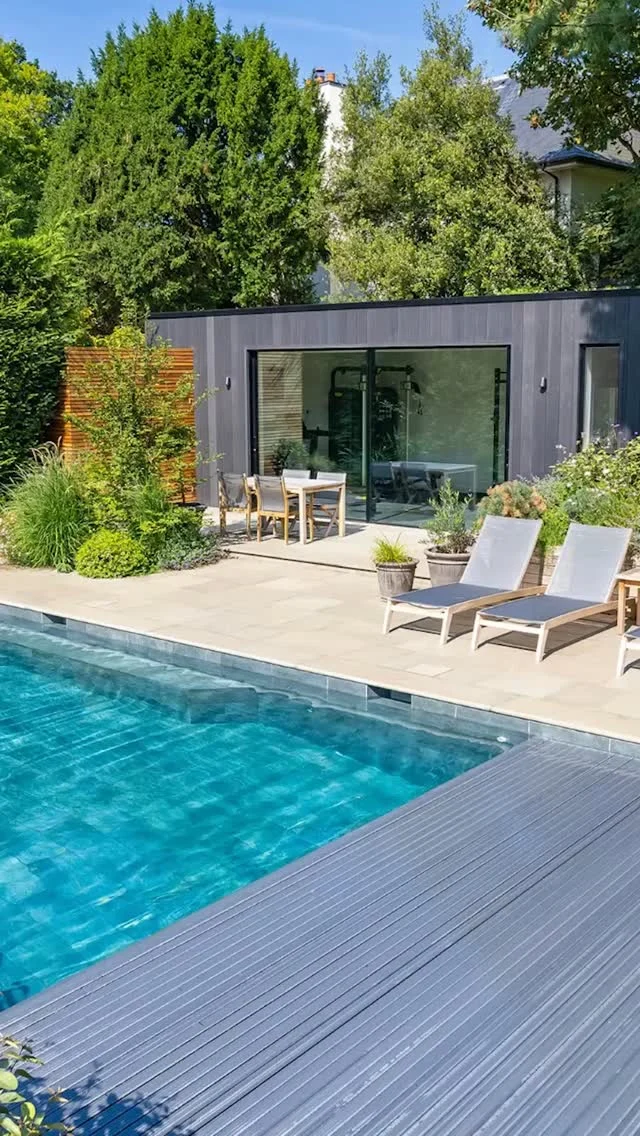
This is a question we are often asked at Guncast, as water does indeed affect the final aesthetic of the pool tile, and therefore the overall look of the pool – for many reasons. In this article, we explore the science (and art) behind this intriguing, important to understand, interplay.

Reflection and Refraction: The Science of Colour Perception
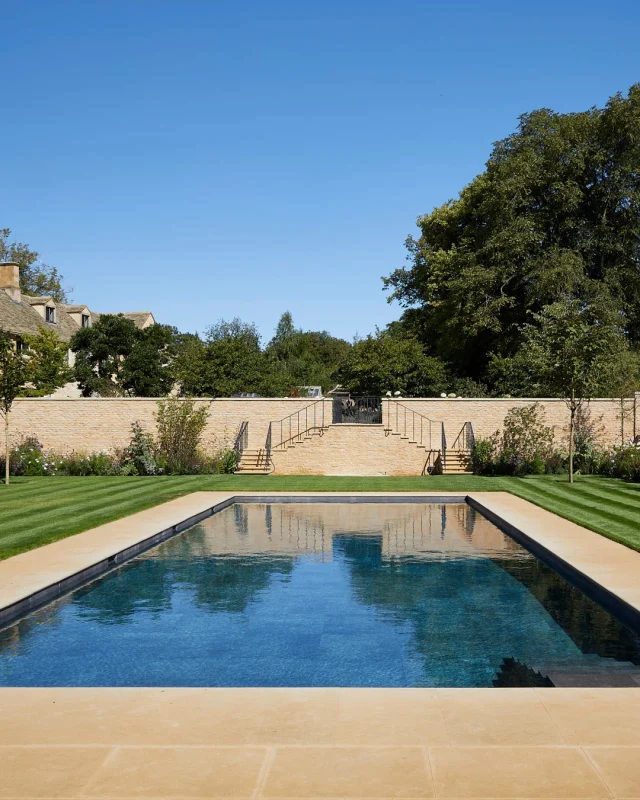
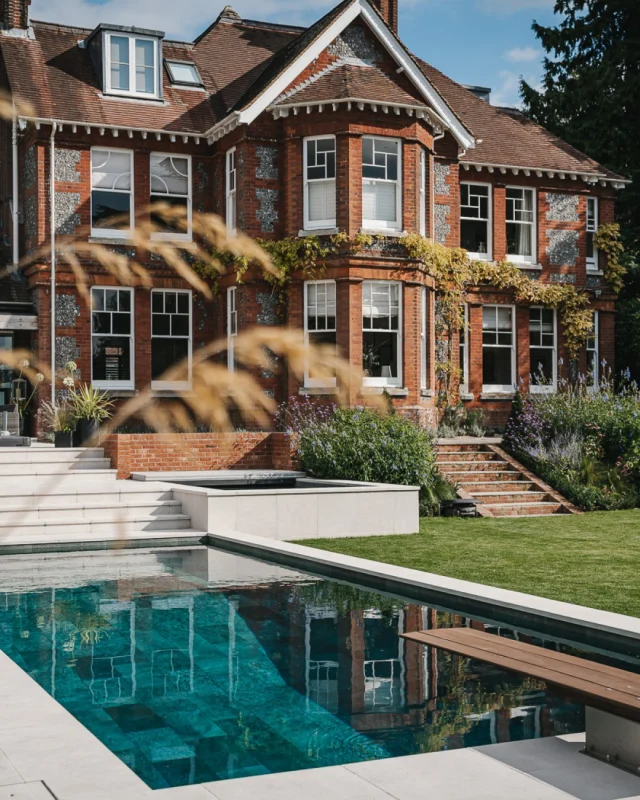
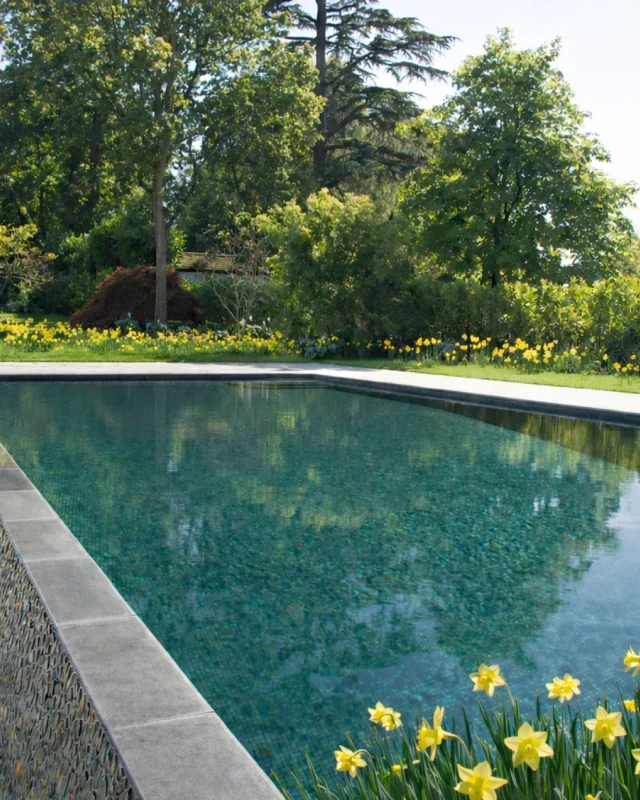
Water acts as a natural lens, refracting and reflecting light, which affects the way colours are viewed underwater. When light enters water, it slows down and bends, altering how our eyes perceive the colours of pool tiles. This phenomenon causes a shift in the tile colour’s vibrancy and tone. For instance:
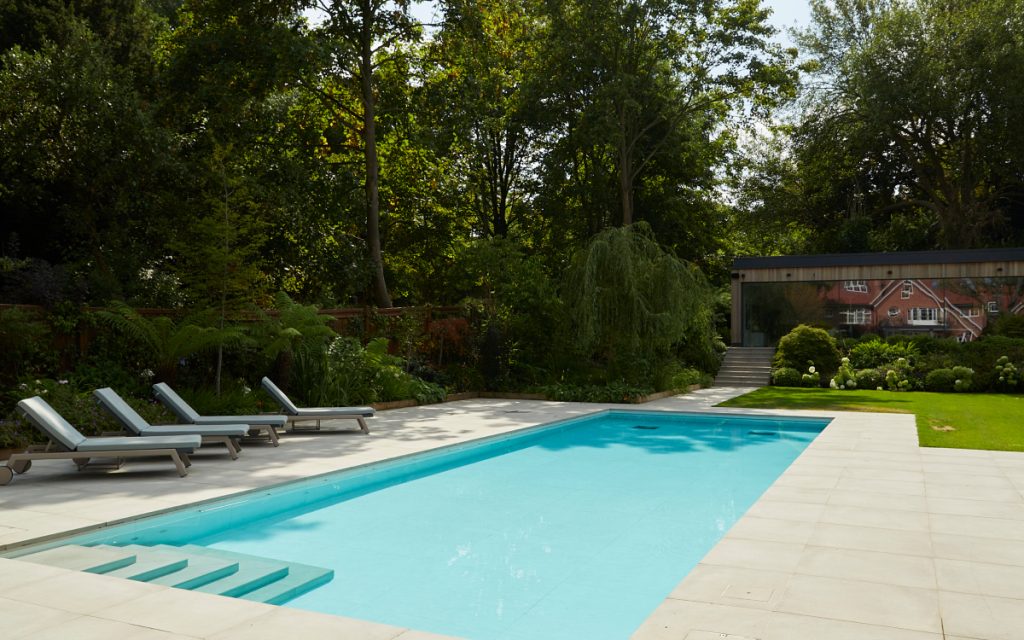
- Bright tiles, such as white or light blue, tend to appear softer and less stark under water due to the diffusion of light.
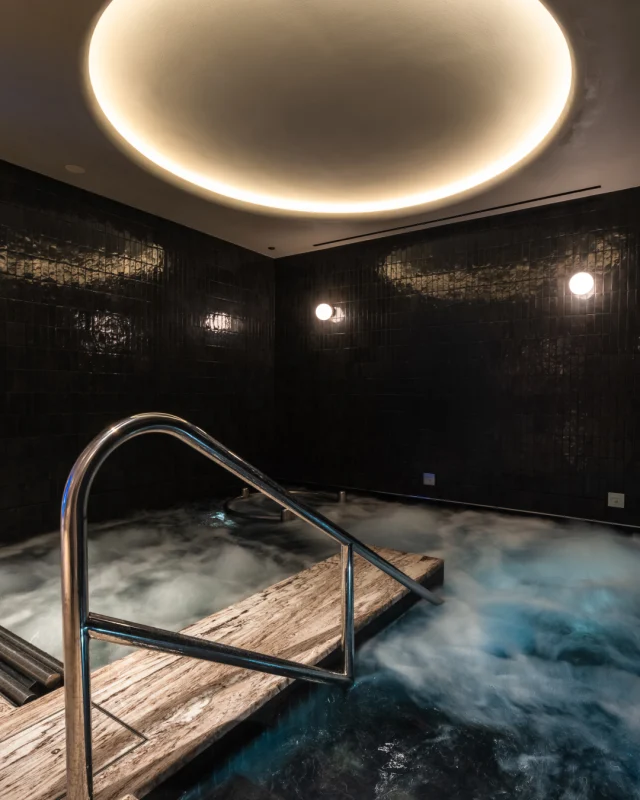
- Darker tiles, like deep blue or black, can make the pool look deeper. This creates a more dramatic effect. For more information read our latest trends in swimming pool design.
Surface Movement and Light Interaction
The interplay of light and water movement significantly alters the visual effect of pool tiles. When the pool water is still, the tiles appear more uniform in tone and colour. However, ripples and waves caused by wind or swimmers scatter light, creating dynamic patterns that can make the tile colours look ever-changing and animated. This is especially noticeable with glossy or reflective tile finishes.
Colour Absorption and Water Depth
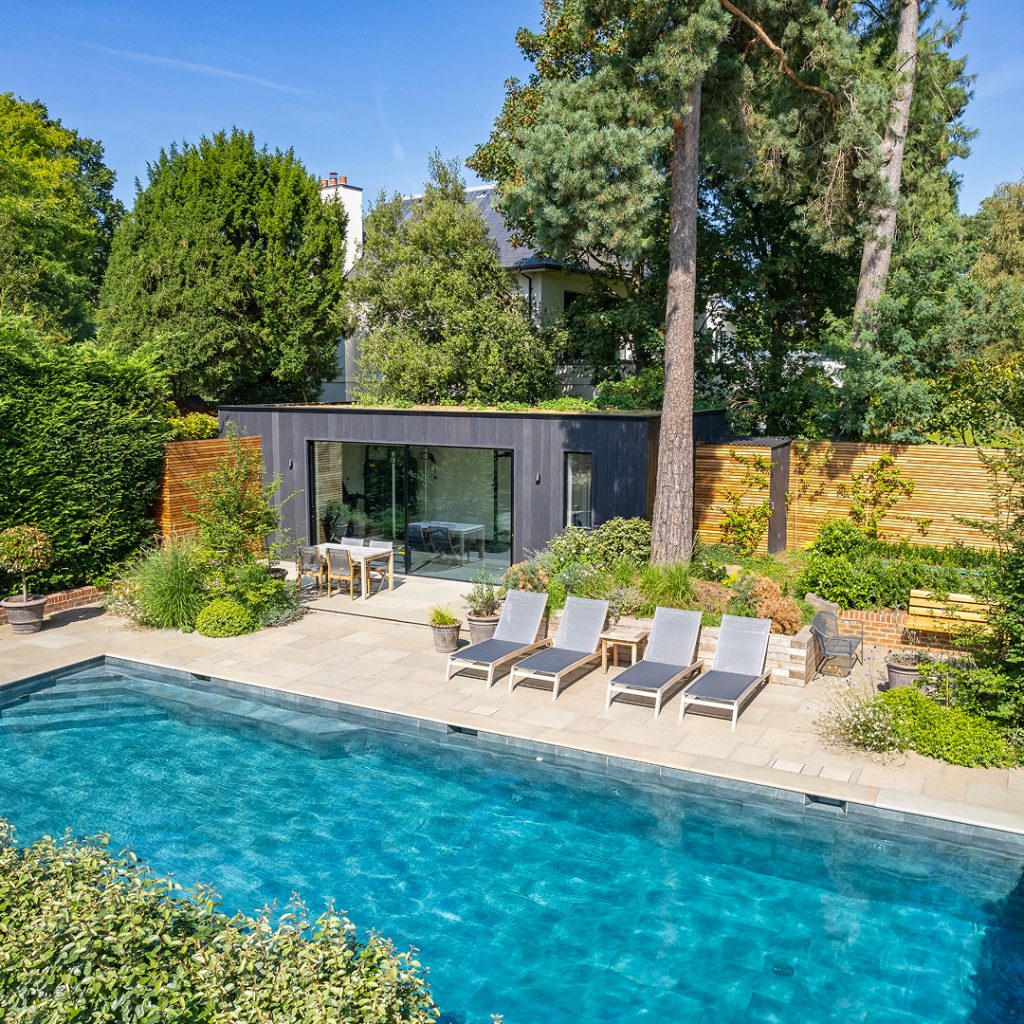
The depth of the water also plays a crucial role in tile colour perception. As water deepens, it tends to absorb certain colours of light – starting with red, then orange, and so on – while amplifying blues and greens. This is why pools often appear bluer the deeper they are, even if the tiles are not predominantly blue. In shallow areas, the true tile colour appears more pronounced because the water absorbs less light.

The Role of Pool Lighting
Artificial lighting, particularly underwater LED lights, can dramatically transform how tile colours are perceived. Warm lighting brings out earthy and amber hues, while cool-toned lighting enhances blues and whites. Strategically placed lighting can emphasise the tile pattern and texture, offering a completely different aesthetic after sunset.
Water Clarity and Maintenance
The clarity of pool water is another factor that influences tile colour. Clean and clear water allows light to pass through unobstructed, presenting tiles in their most natural tones. Murky or chemically imbalanced water distorts light, which can dull or alter the tile colours. Proper pool maintenance ensures that the water does justice to the tile design.
Natural Elements and Seasonal Changes
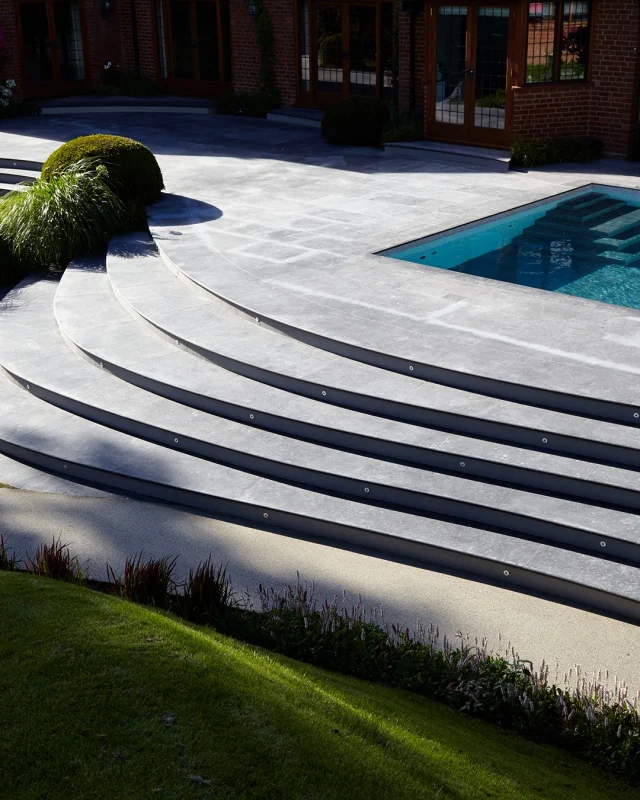
The surrounding environment also affects how we see pool tiles. For example, sunlight during midday can make tiles appear brighter and more vibrant, while early morning or late afternoon light may introduce softer, warmer tones. Weather and seasonal changes – such as cloudy skies or winter light – can further influence the pool’s visual appeal.
Conclusion
The interaction between water and tiles in a swimming pool is a captivating blend of science and design. Knowing how light, water depth and movement affect tile colour can help pool owners make better choices. This is important when designing or maintaining their pools.
Whether you aim for a serene natural look, a vibrant tropical feel, or a sleek modern aesthetic, consider how the water will transform and enhance your pool’s tiles. After all, the magic of a pool lies not only in its function but also in its intended aesthetic.